Overview
R7 is one of the largest news websites in Brazil, reaching over 70 million monthly unique users according to Comscore. It covers a wide range of topics, including politics, economy, sports, health, lifestyle, and pop culture, as well as content related to Record TV programs.
Because of this broad coverage, the platform serves a highly diverse audience with different interests, behaviors, and levels of engagement.
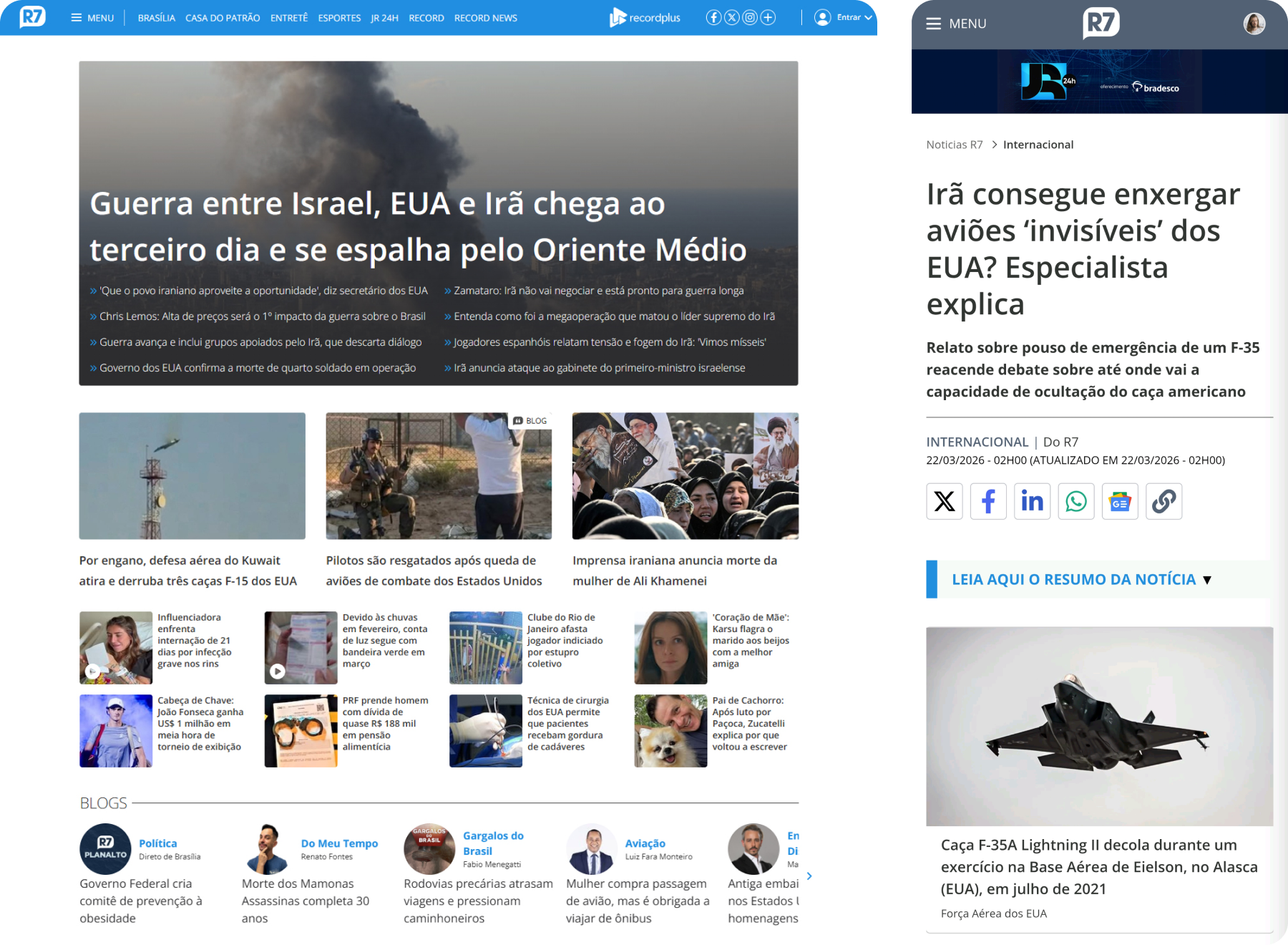
Home Page
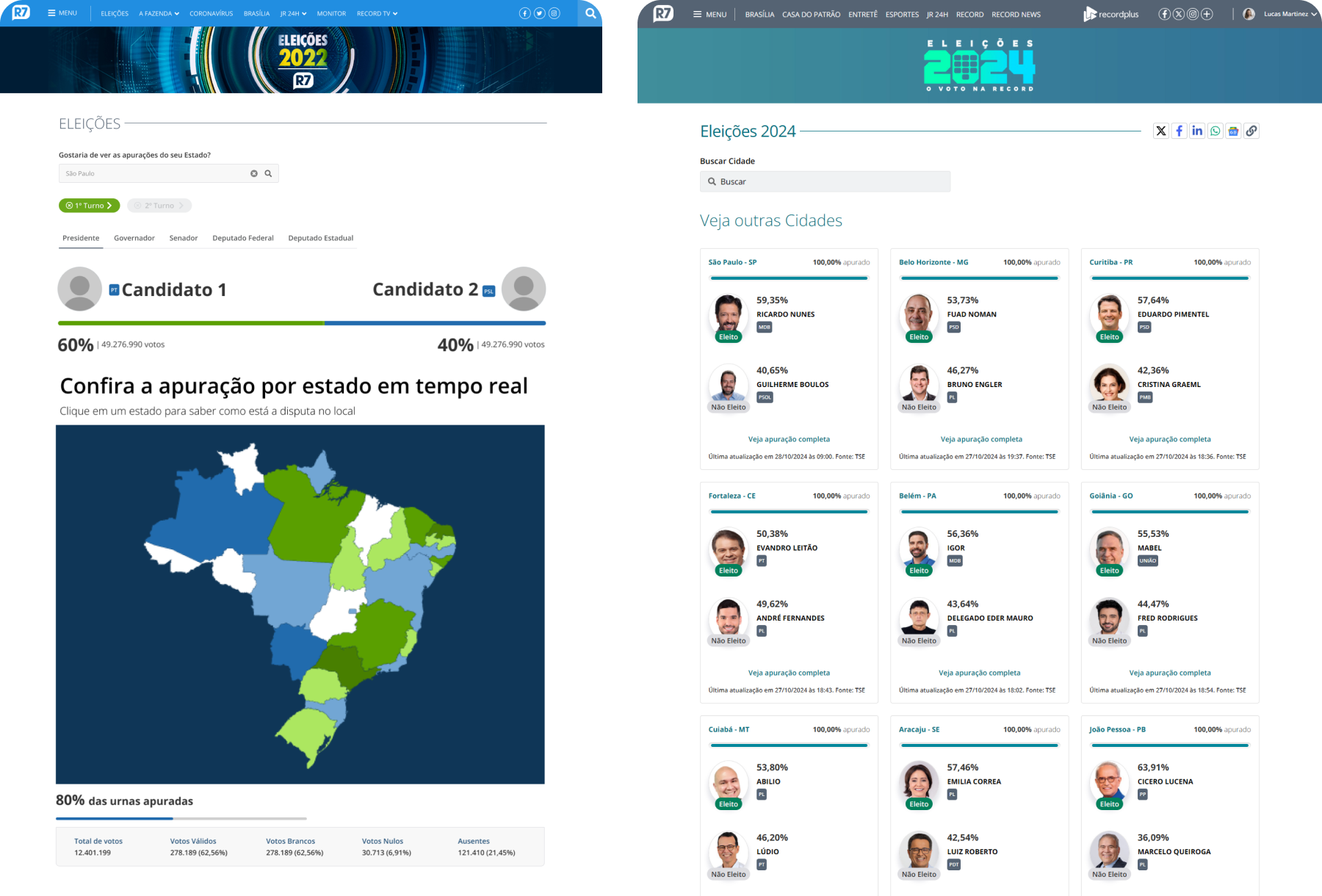
Elections Coverage
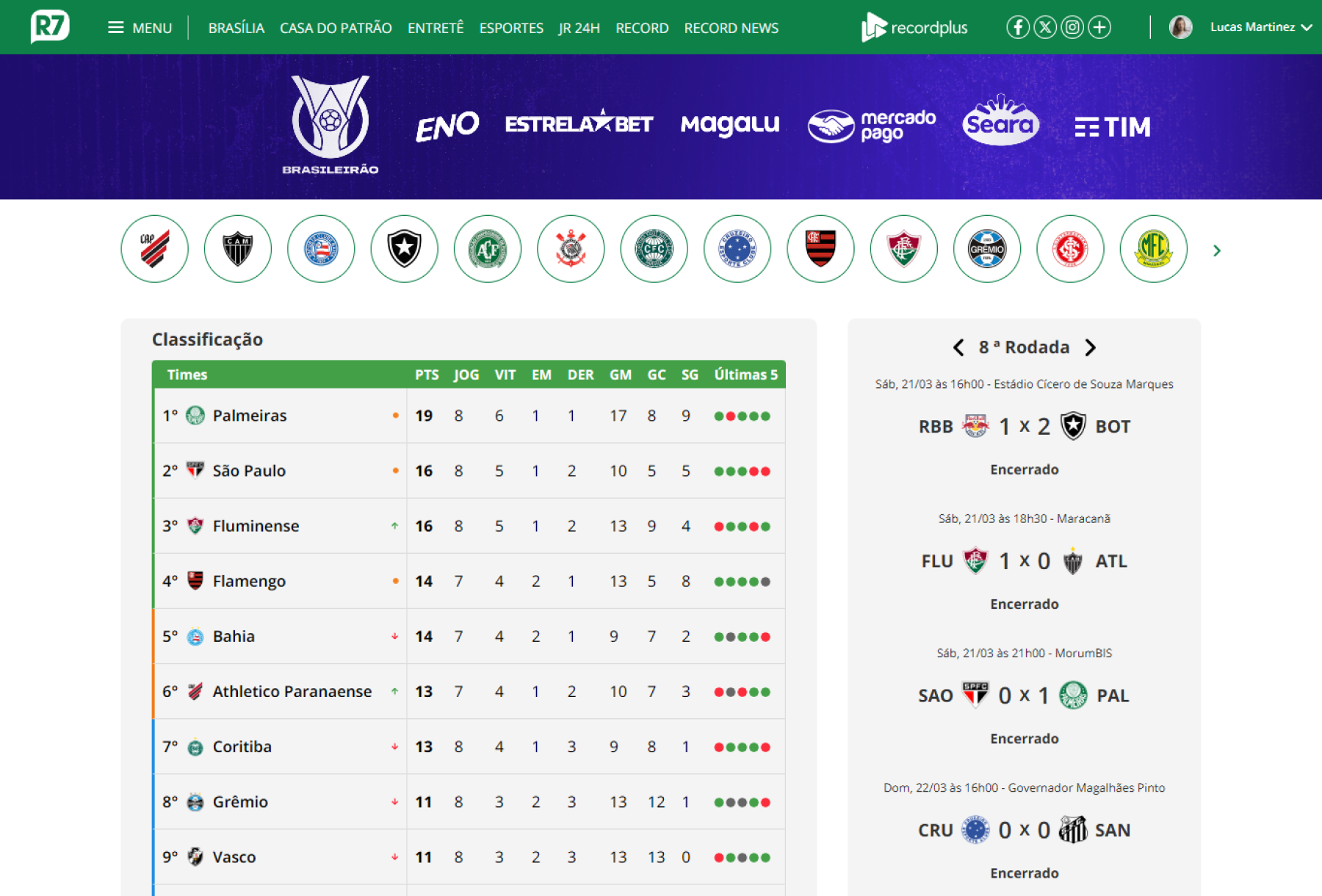
Soccer Championship Tables
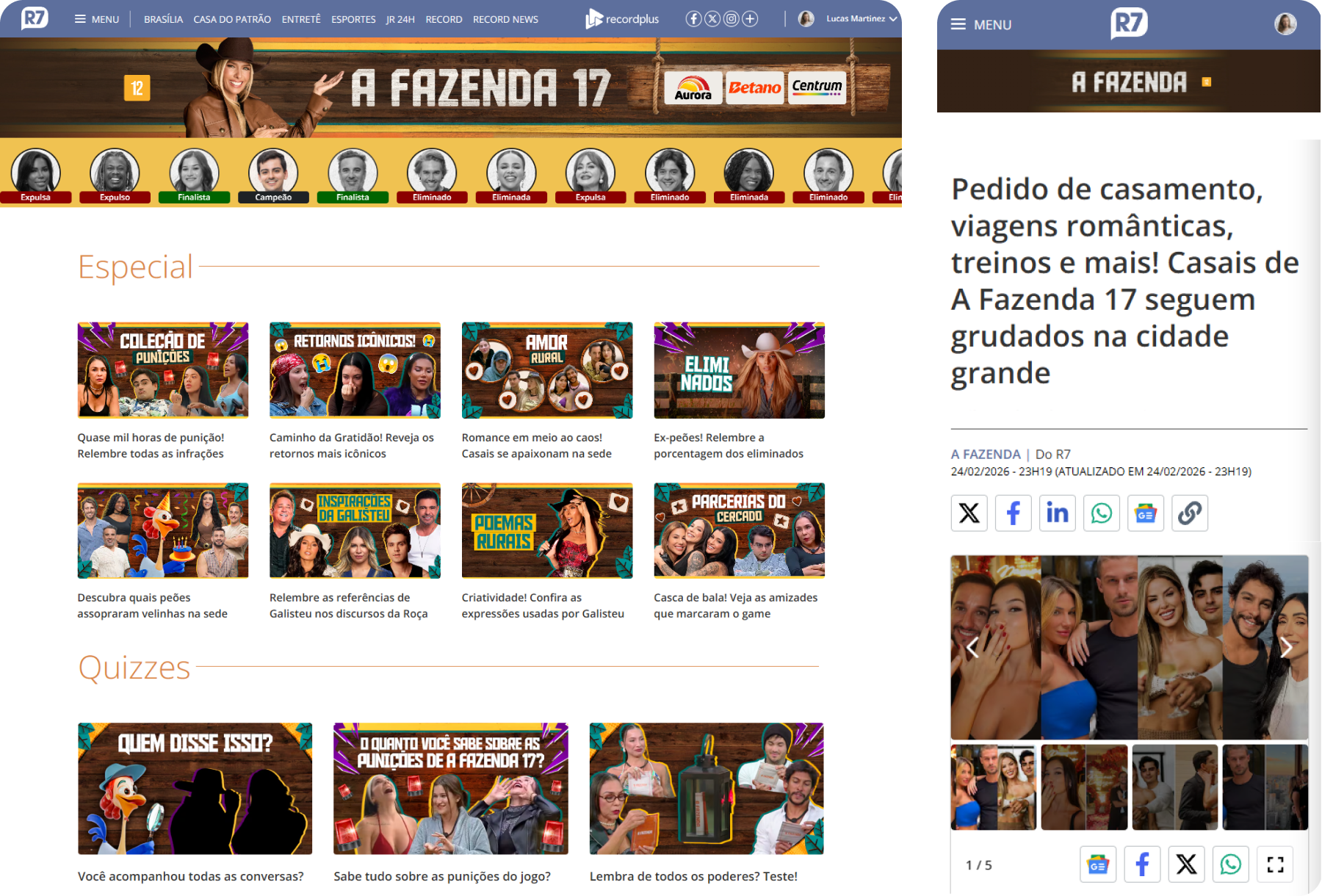
A Fazenda (The Farm) - One of the biggest Brazilian Reality Shows
The Problem
A platform this broad, covering so many different topics for so many different types of users at once, faces an inevitable structural challenge: maintaining consistency. Every section needs to feel like part of the same product, regardless of who is reading it or what they came to find.
Serving such a wide audience, across dozens of different topics and sub-products, creates a unique challenge: maintaining consistency. As technology evolves and new ways to consume content emerge, the platform must constantly adapt, introducing new features, layouts, and experiences.
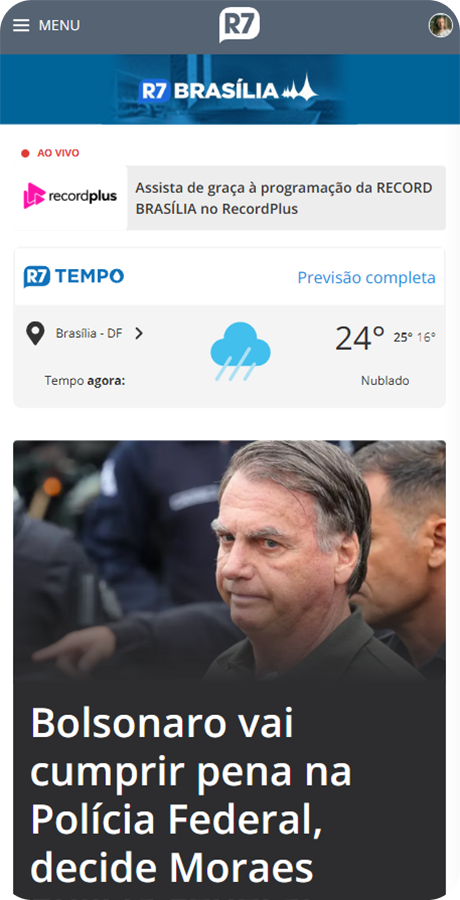
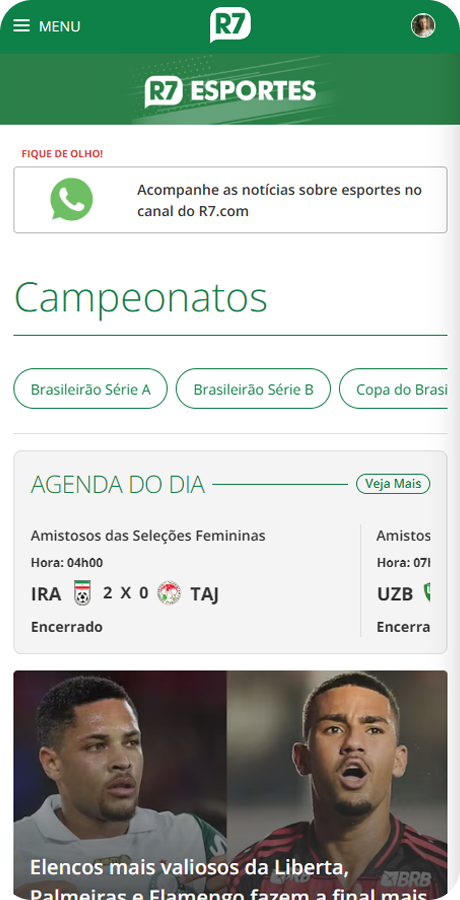
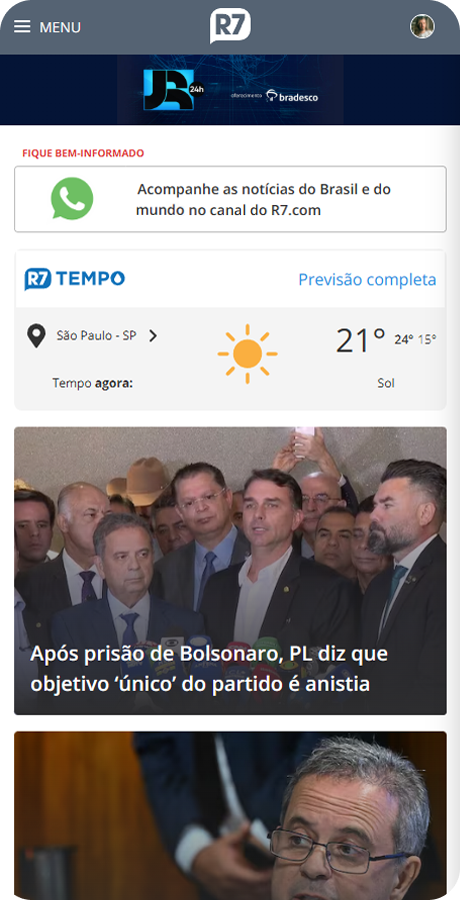
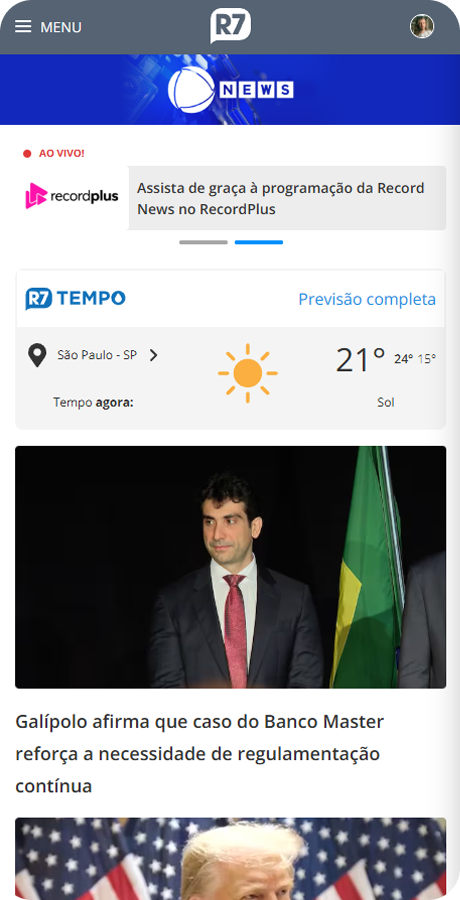
Without strong consistency, this constant evolution risks fragmenting the experience. Users navigating across different sections may encounter different patterns, interactions, and visual languages, making the product feel disjointed and harder to trust. Consistent design communicates where users are, what content they are seeing, and what they can expect next.


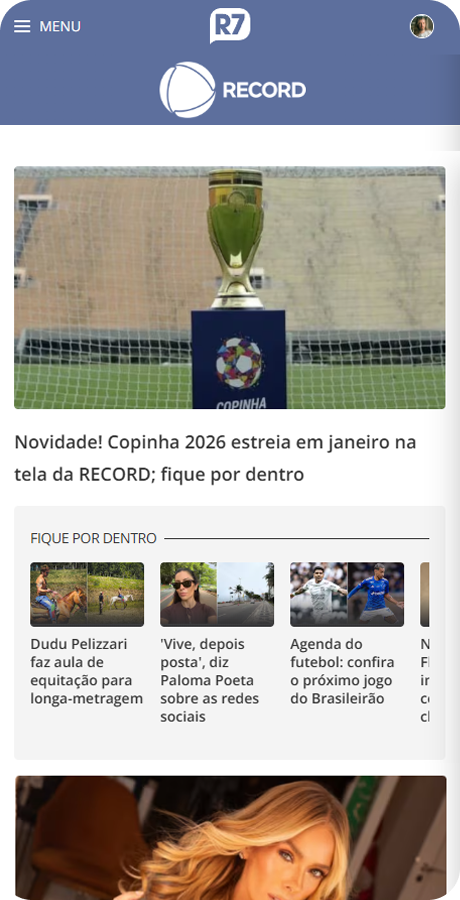
Design System
A platform of R7's scale and diversity can only maintain consistency through a comprehensive and well-defined Design System.
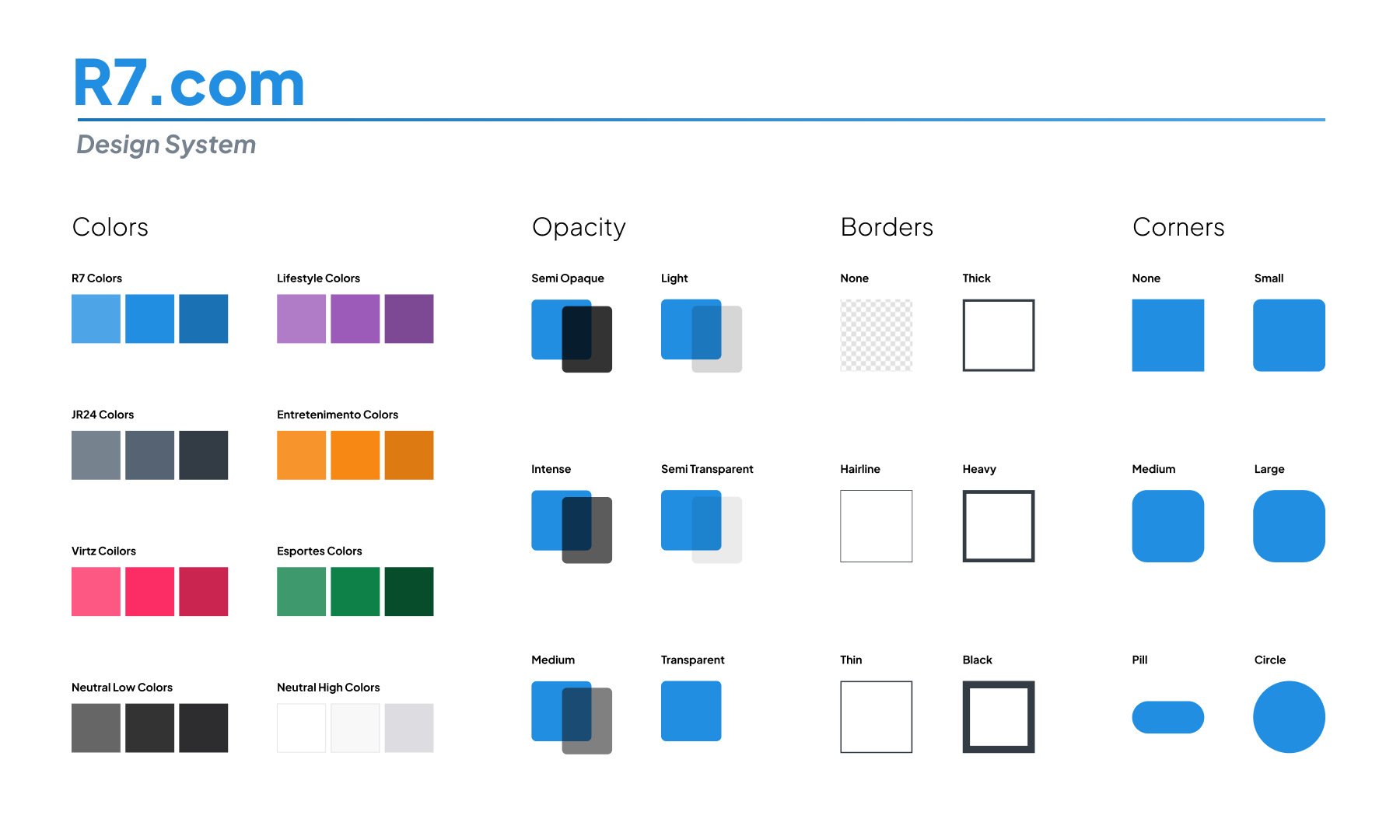
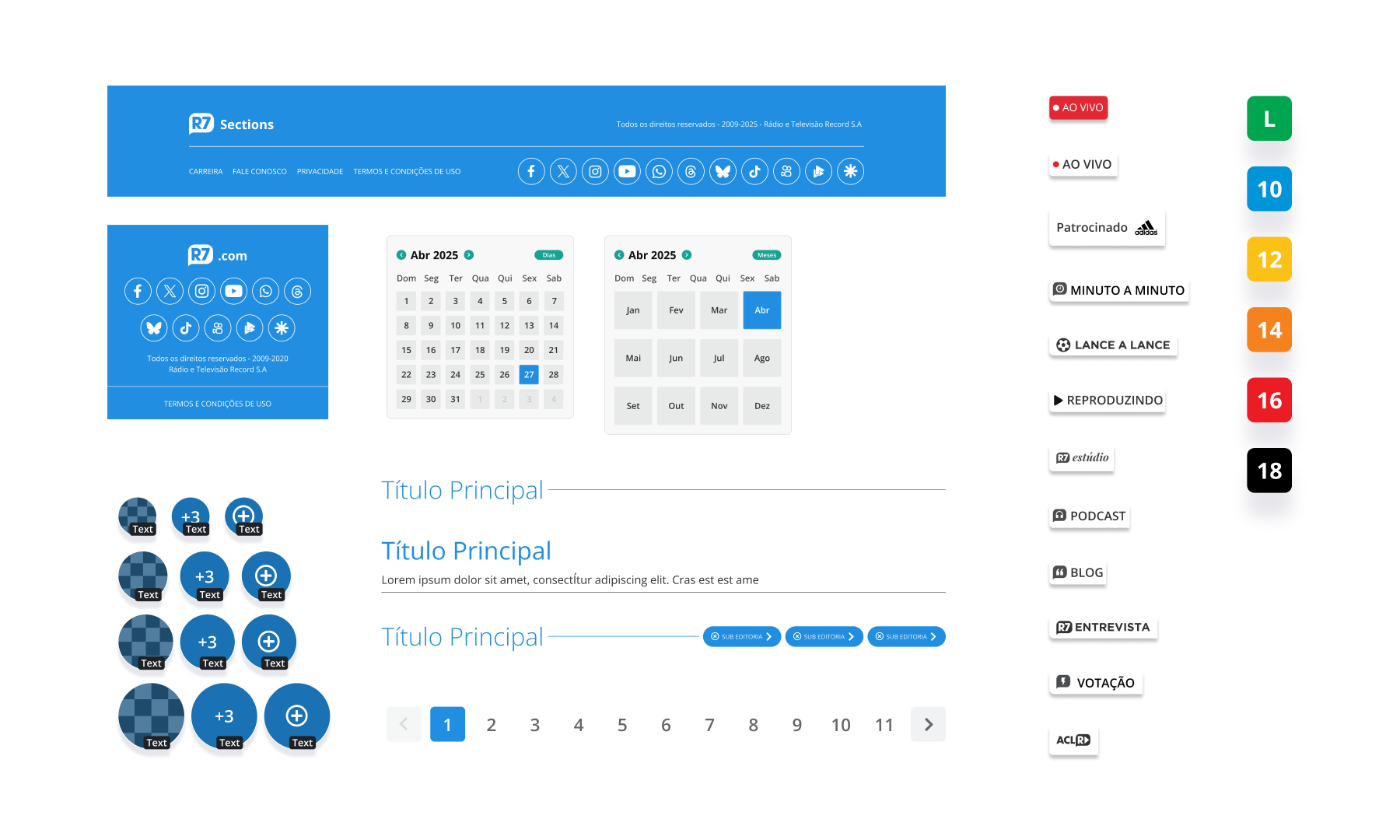
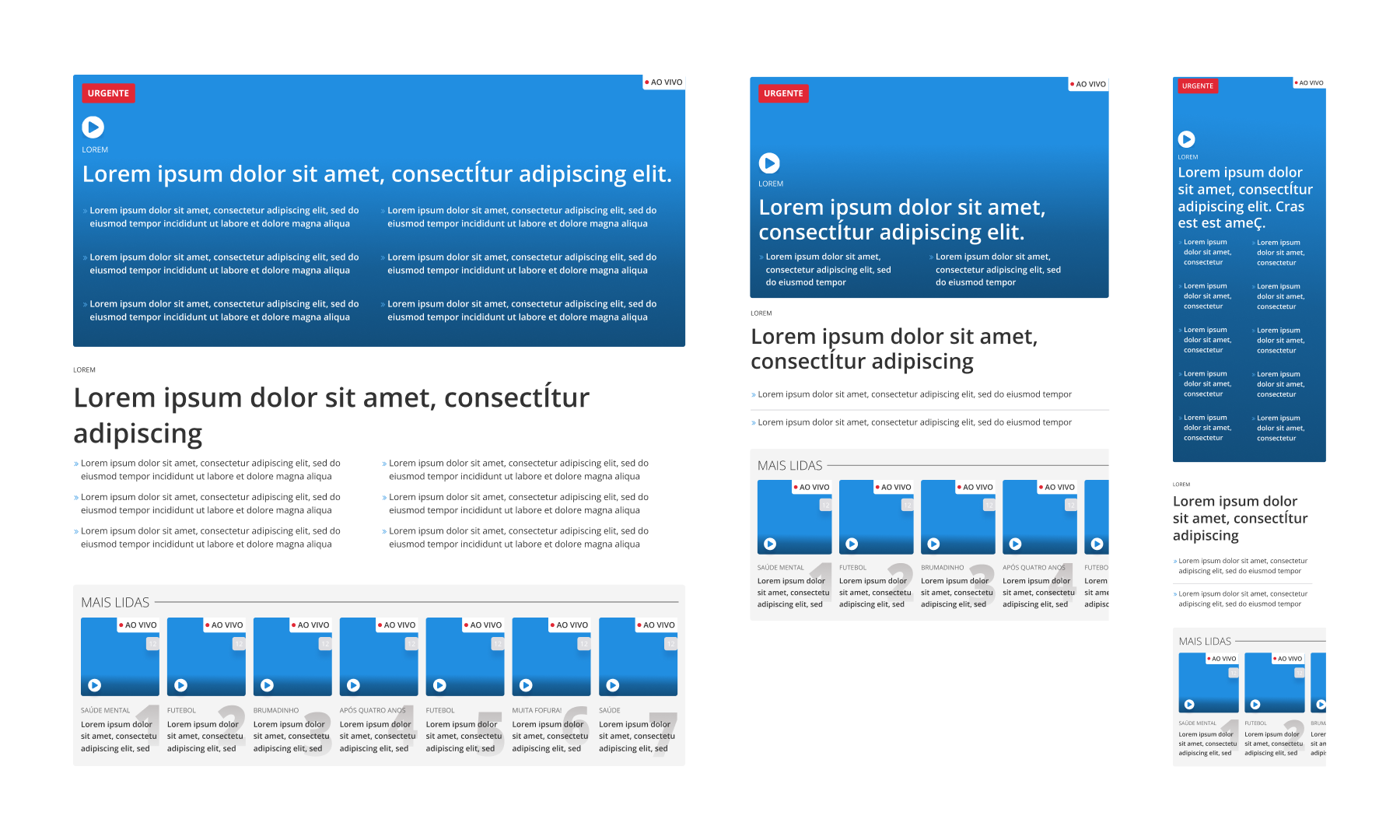
The Design System serves as the single source of truth across all teams and surfaces. It defines the visual language, interaction patterns, and component behavior that ensure every page, regardless of topic, audience, or sub-product, feels like part of the same experience.
Whenever something new needs to be built, the process begins by going back to the Design System: identifying what already exists and can be reused with the same tokens and components, and understanding what needs to be created from scratch. Everything new must follow the same guidelines, principles, and rules already established in the system.
The following screens represent a small portion of the full design system, which includes a much broader set of components and variations.
The Challenge
R7 presents multiple product and business challenges due to its scale and diverse audience.
One example of this is the platform's revenue model.
Most of the platform's revenue comes from advertising displayed across pages. This creates a strong need to keep users navigating through the website and consuming multiple pieces of content per session.
The challenge was to design experiences that increase engagement, encourage return visits, and extend user sessions without compromising usability or content clarity.
Solutions
The product team continuously provides data on user behavior, such as clicks, time on page, and navigation flows. These insights guide design decisions focused on increasing engagement and retention. Based on this data, multiple features were designed to encourage users to stay longer and return more frequently.
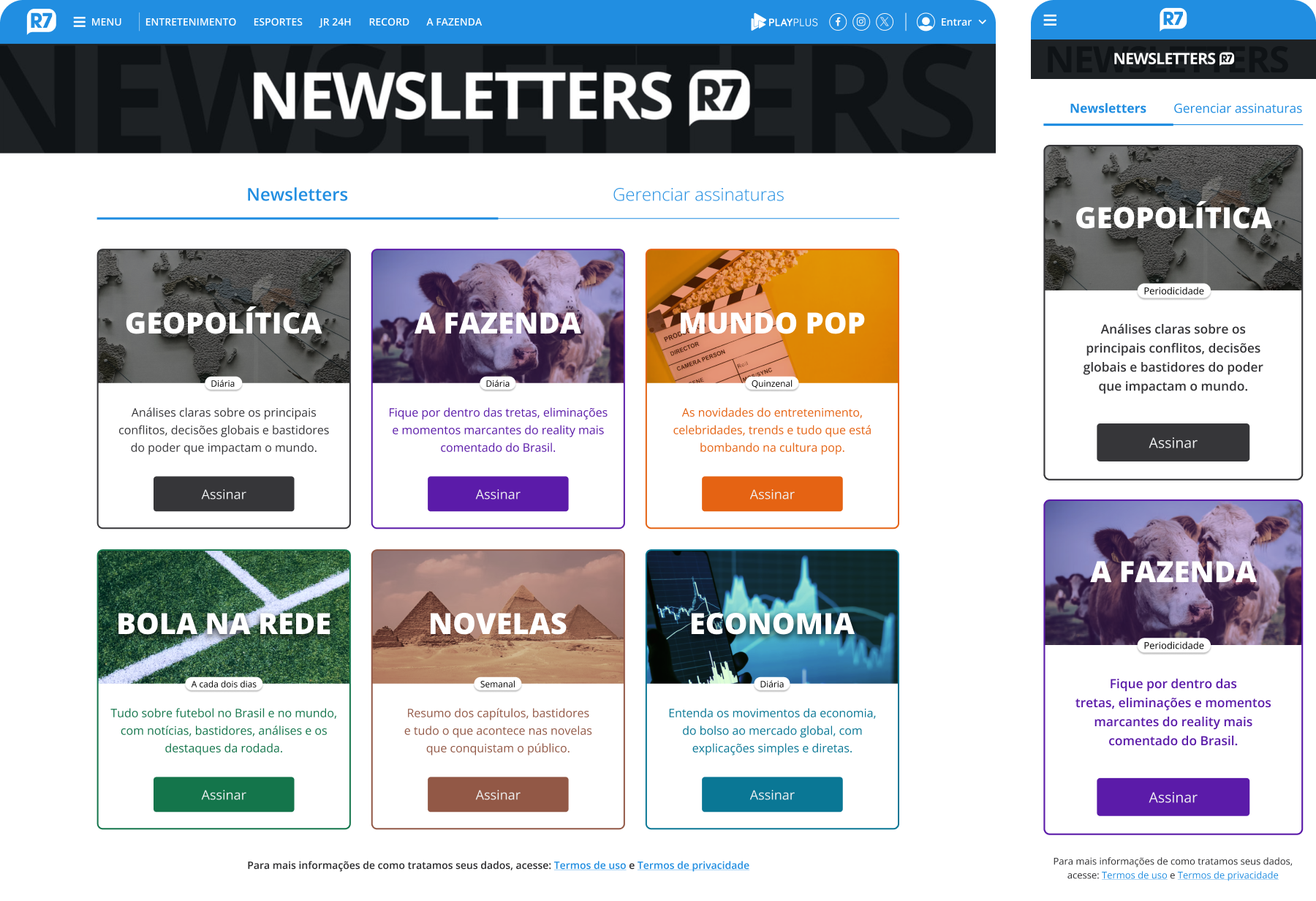
Newsletter: Topic-based newsletters allow users to subscribe to specific interests. Each newsletter curates related articles and is sent periodically via email.
This creates a recurring entry point to the platform and brings users back independently of their usual browsing habits.
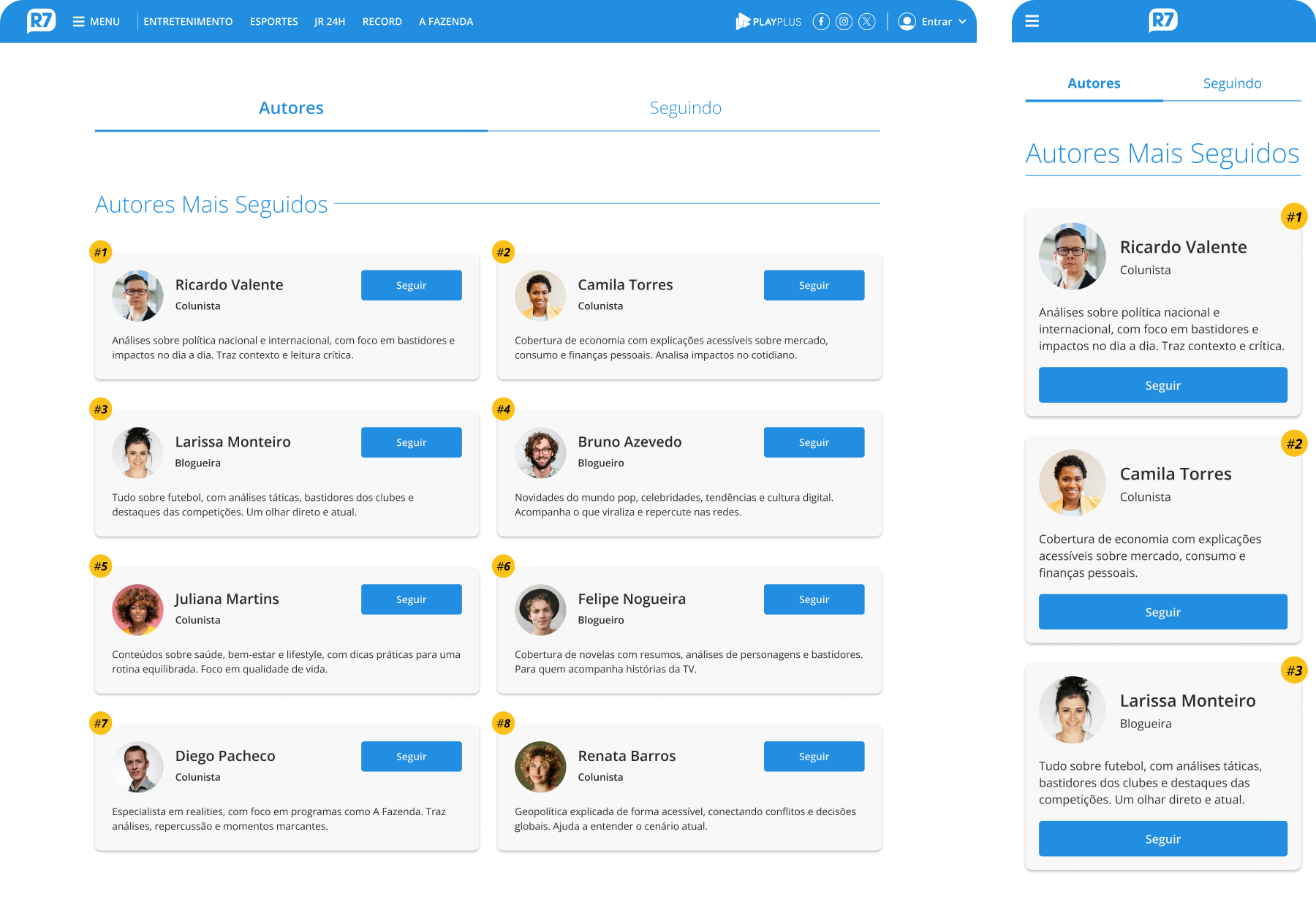
Follow Authors: Users can follow specific authors, journalists, or bloggers. When new content is published, users are notified and encouraged to return.
A dedicated page lists all available authors, and the follow option is also accessible directly from articles.
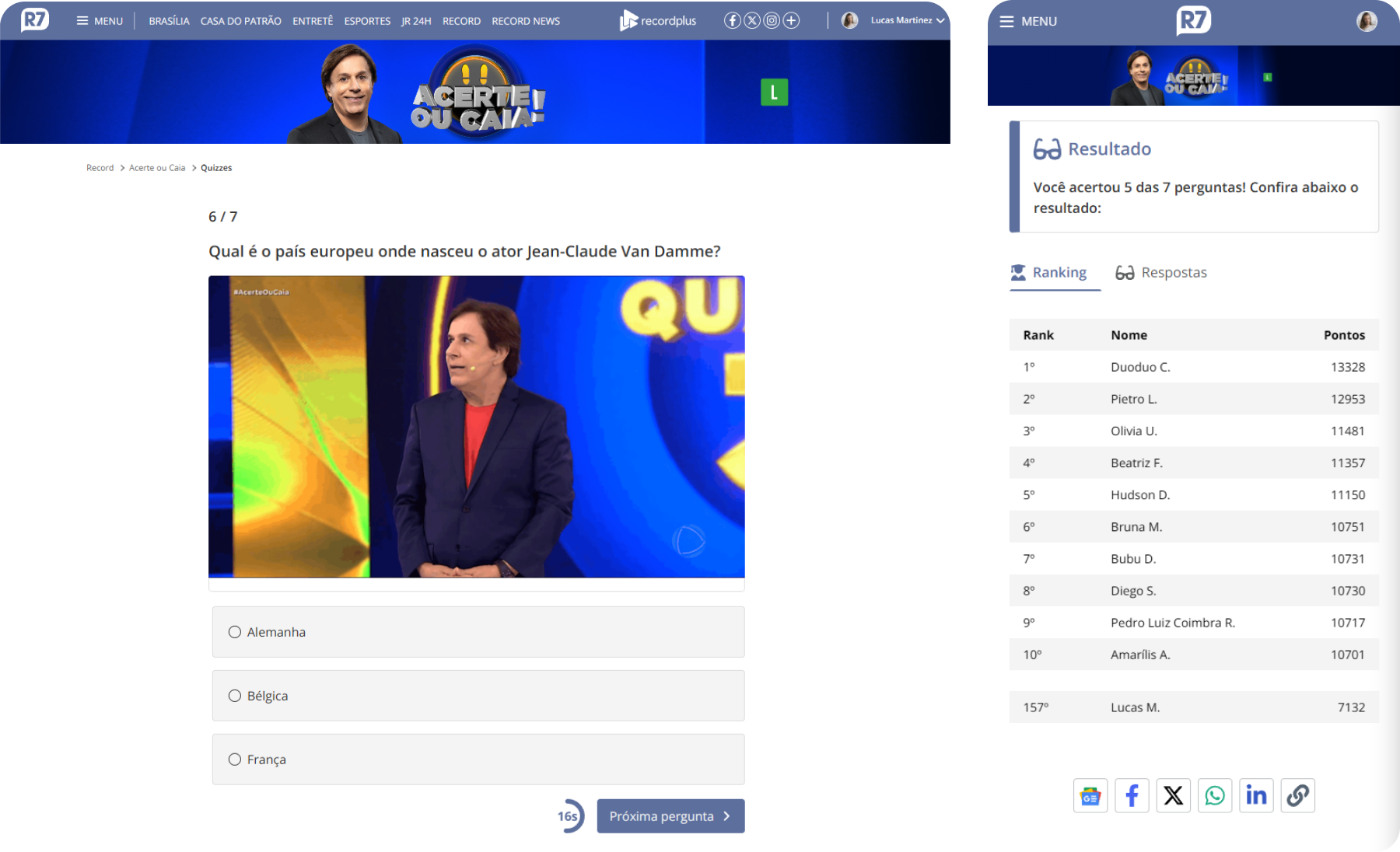
Interactive Quizzes: For a Record TV quiz-based reality show, interactive quizzes were introduced within the show's page. Users can answer questions, see their ranking, and share results with others.
New quizzes are released with each episode, encouraging repeated participation and social sharing.
Impact
Interactions
Monthly clicks generated
across the new features
Duration
Longer time spent reading
and exploring content
Users returning more frequently
via newsletters and notifications
Acquisition
New users entering through
shared quiz challenges
Conclusion
The product evolves through continuous iteration based on data and performance.
User behavior and research insights guide both improvements and new features, allowing the platform to adapt to changing ways of consuming news as technology and trends evolve. This approach supports a wide range of audiences while increasing engagement and contributing to business results.