01
OVERVIEW
Jarvics is a custom CMS developed for R7, replacing previous workflows based on WordPress. The product was built from scratch to support internal teams responsible for both content publishing and subscriber operations across the R7, Record TV, and RecordPlus ecosystems. It includes tools for content creation, editing, management, and customer support workflows at scale.
The project involved end-to-end design, including product structure, interface design, and visual identity definition.
02
CHALLENGES
" result="n17gDb3kq-3171104804-shadow-outset-0-flood"/><feComposite in="n17gDb3kq-3171104804-shadow-outset-0-flood" in2="n17gDb3kq-3171104804-shadow-outset-0-blur" operator="in" result="n17gDb3kq-3171104804-shadow-outset-0"/></filter><path d="M 1.86 14.88 C 2.888 14.88 3.72 15.712 3.72 16.74 C 3.72 17.768 2.888 18.6 1.86 18.6 C 0.832 18.6 0 17.768 0 16.74 C 0 15.712 0.832 14.88 1.86 14.88 Z M 1.86 0 C 2.887 0 3.72 0.764 3.72 1.705 L 3.72 1.765 L 3.1 12.564 C 3.065 13.168 2.519 13.64 1.86 13.64 C 1.201 13.64 0.659 13.168 0.62 12.564 L 0 1.765 L 0 1.705 C 0 0.764 0.833 0 1.86 0 Z" id="n17gDb3kq-3171104804" transform="translate(17.45 10.2)"/><clipPath id="znCiMo1J5-3171104804-stroke"><use href="%23znCiMo1J5-3171104804"/></clipPath><filter filter-units="objectBoundingBox" height="208.4%" id="znCiMo1J5-3171104804-shadow-outset" width="208.4%" x="-57.9%" y="-57.9%"><feOffset dx="0" dy="0" in="SourceAlpha" result="znCiMo1J5-3171104804-shadow-outset-0-offset"/><feGaussianBlur in="znCiMo1J5-3171104804-shadow-outset-0-offset" result="znCiMo1J5-3171104804-shadow-outset-0-blur" stdDeviation="2"/><feFlood flood-color="rgb(43, 83, 204)" result="znCiMo1J5-3171104804-shadow-outset-0-flood"/><feComposite in="znCiMo1J5-3171104804-shadow-outset-0-flood" in2="znCiMo1J5-3171104804-shadow-outset-0-blur" operator="in" result="znCiMo1J5-3171104804-shadow-outset-0"/></filter><path d="M 15.5 0 C 24.06 0 31 6.94 31 15.5 C 31 24.06 24.06 31 15.5 31 C 6.94 31 0 24.06 0 15.5 C 0 6.94 6.94 0 15.5 0 Z" id="znCiMo1J5-3171104804" transform="translate(4 4)"/></defs><mask height="190.3%" id="n17gDb3kq-3171104804-shadow-mask" width="551.6%" x="-225.8%" y="-45.2%"><rect fill="white" height="100%" width="100%"/><use fill="black" href="%23n17gDb3kq-3171104804"/></mask><g filter="url(%23n17gDb3kq-3171104804-shadow-outset)" mask="url(%23n17gDb3kq-3171104804-shadow-mask)"><use fill="black" href="%23n17gDb3kq-3171104804" stroke-opacity="0" stroke-width="0" stroke="black"/></g><use fill="rgb(172, 201, 230)" height="18.600000114440917px" href="%23n17gDb3kq-3171104804" id="n17gDb3kq" width="3.719999999999999px"/><mask height="208.4%" id="znCiMo1J5-3171104804-shadow-mask" width="208.4%" x="-57.9%" y="-57.9%"><rect fill="white" height="100%" width="100%"/><use fill-opacity="0" fill="black" href="%23znCiMo1J5-3171104804"/></mask><g filter="url(%23znCiMo1J5-3171104804-shadow-outset)" mask="url(%23znCiMo1J5-3171104804-shadow-mask)"><use clip-path="url(%23znCiMo1J5-3171104804-stroke)" fill-opacity="0" fill="black" href="%23znCiMo1J5-3171104804" stroke-dasharray="0" stroke-linecap="butt" stroke-linejoin="miter" stroke-miterlimit="4" stroke-width="5" stroke="black"/></g><use fill="transparent" height="31px" href="%23znCiMo1J5-3171104804" id="znCiMo1J5" width="31px"/><use clip-path="url(%23znCiMo1J5-3171104804-stroke)" fill="transparent" href="%23znCiMo1J5-3171104804" stroke-dasharray="0" stroke-linecap="butt" stroke-linejoin="miter" stroke-miterlimit="4" stroke-width="5" stroke="rgb(172, 201, 230)"/></svg>)
03
SOLUTIONS
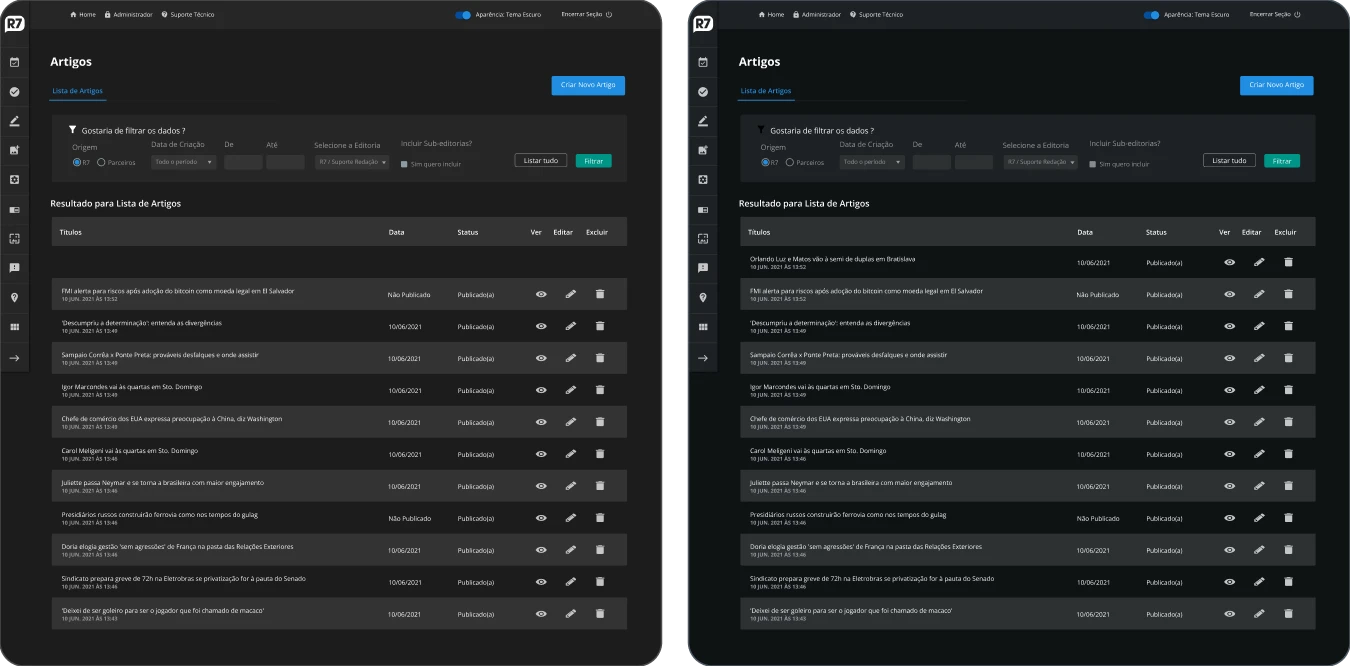
Initial attempts using standard dark palettes revealed issues. The interface felt visually heavy, with tones that were too harsh and tiring over extended use.
After deep user research and benchmarking across platforms such as YouTube and social media products, it became clear that color composition played a key role in visual comfort. These platforms were selected because they are heavily used over long periods or focused on continuous viewing, making visual fatigue a critical factor in their design.
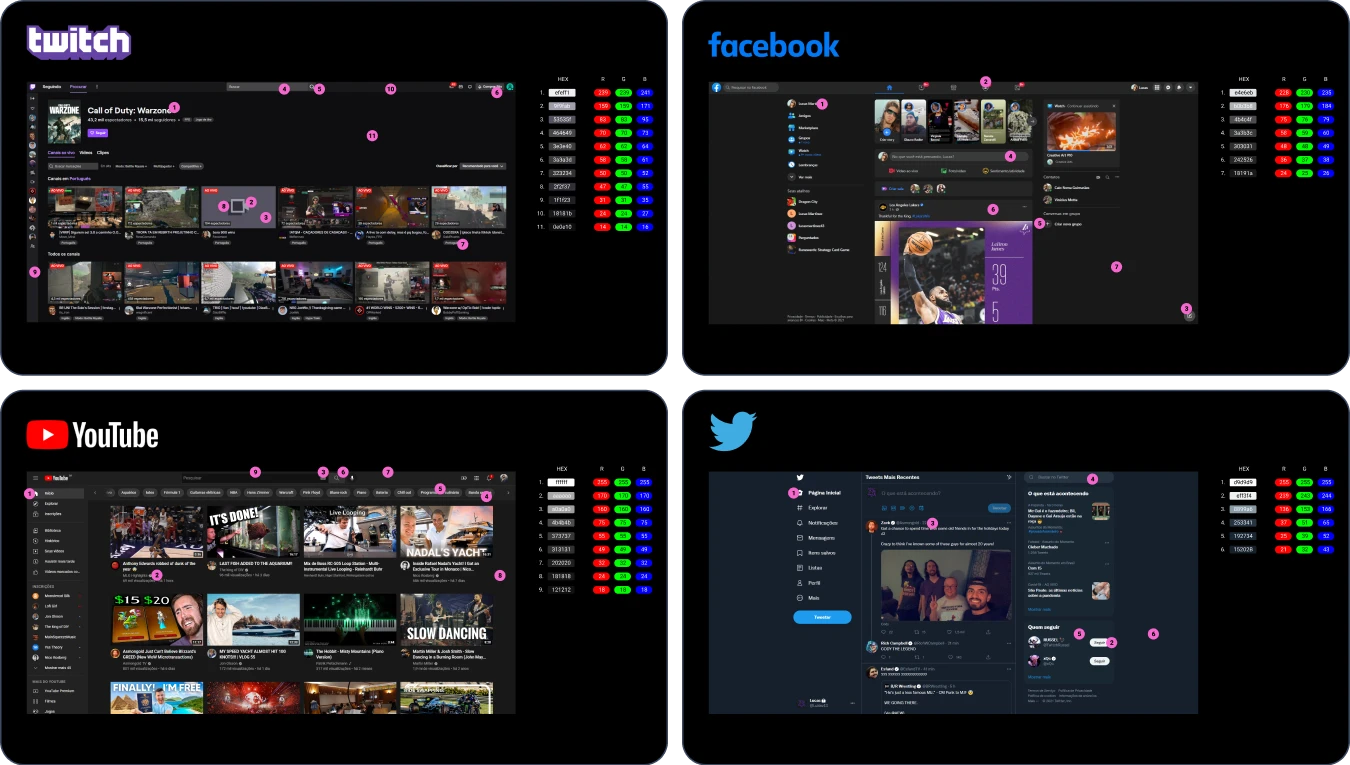
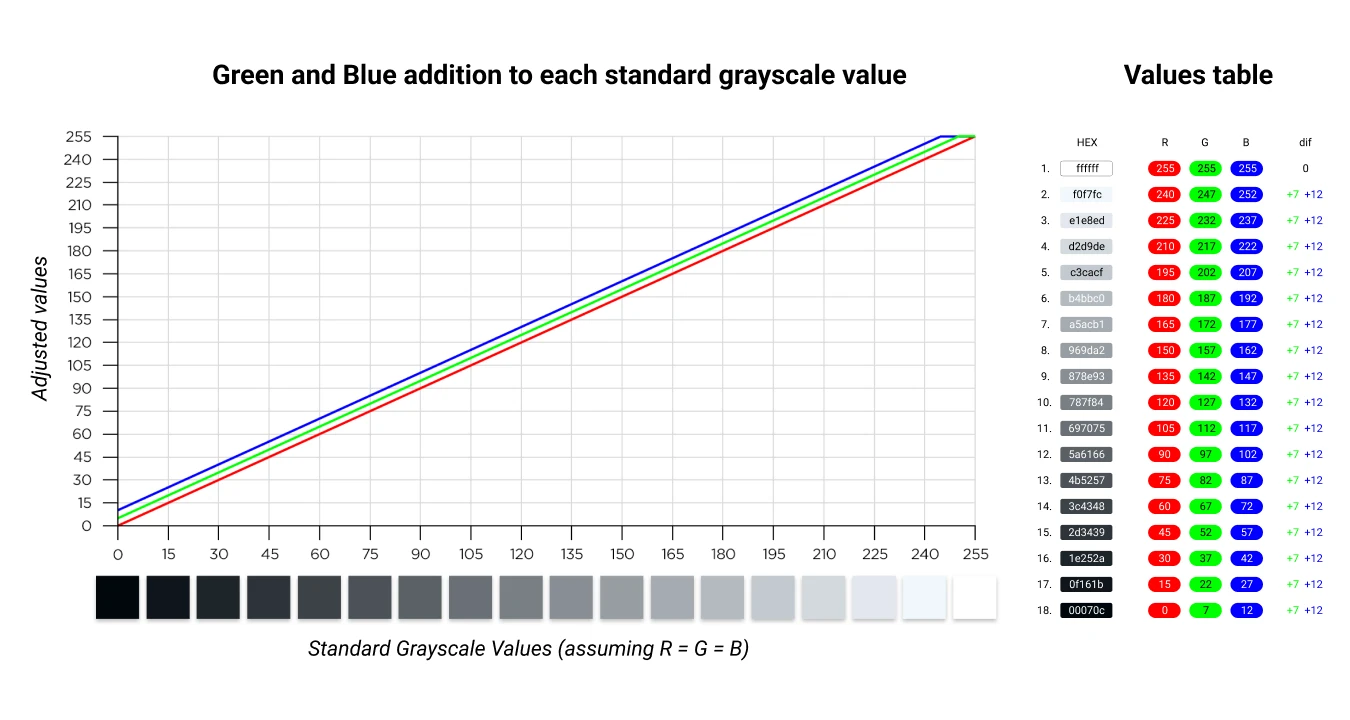
The final palette was refined through multiple iterations, aligning these adjustments with the existing R7 color system to maintain visual consistency while improving usability.
The following comparison shows an early dark mode version using standard grayscale alongside the adjusted palette. Although the changes to green and blue values are minimal, their combined effect results in a noticeably smoother and more comfortable interface.
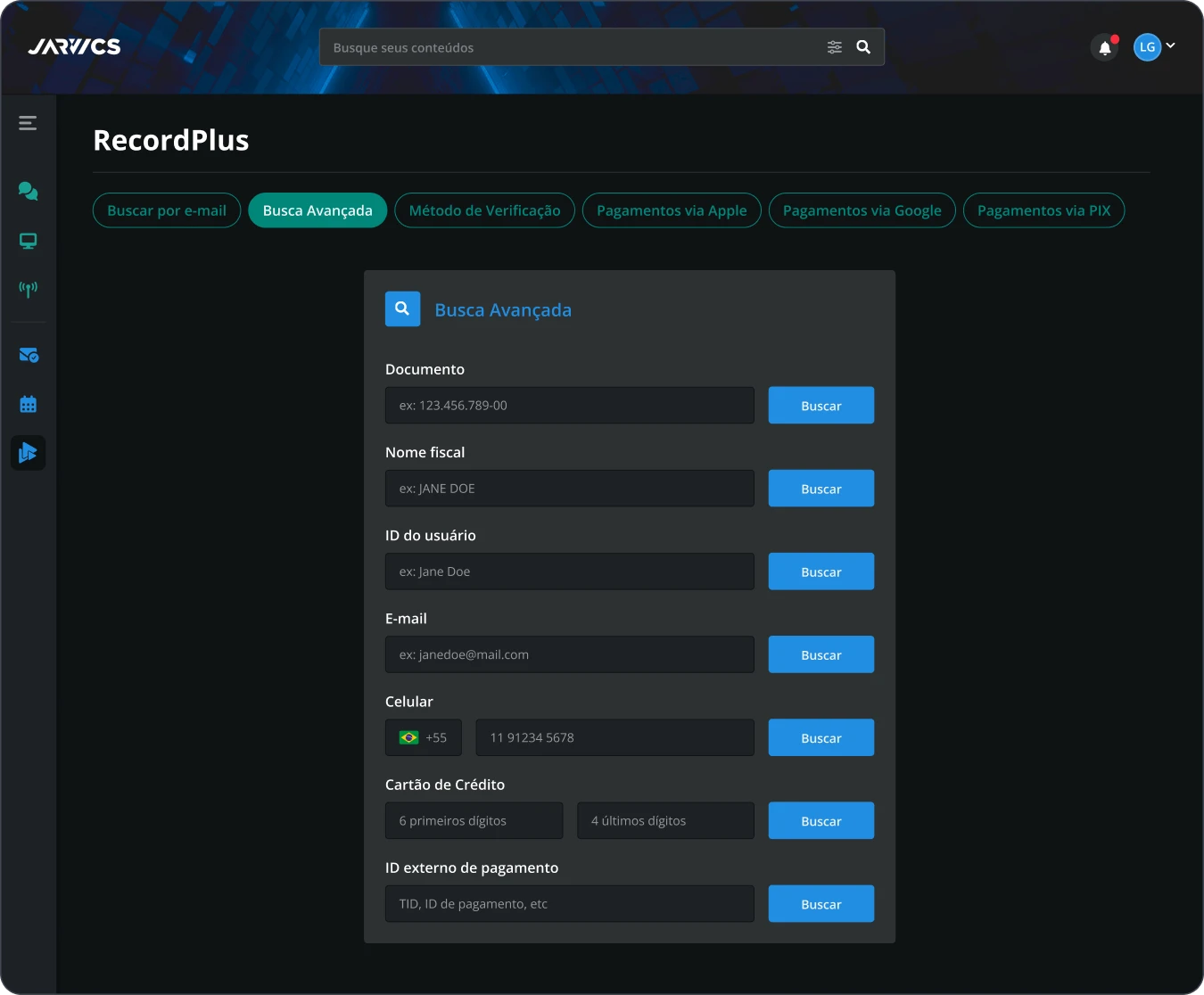
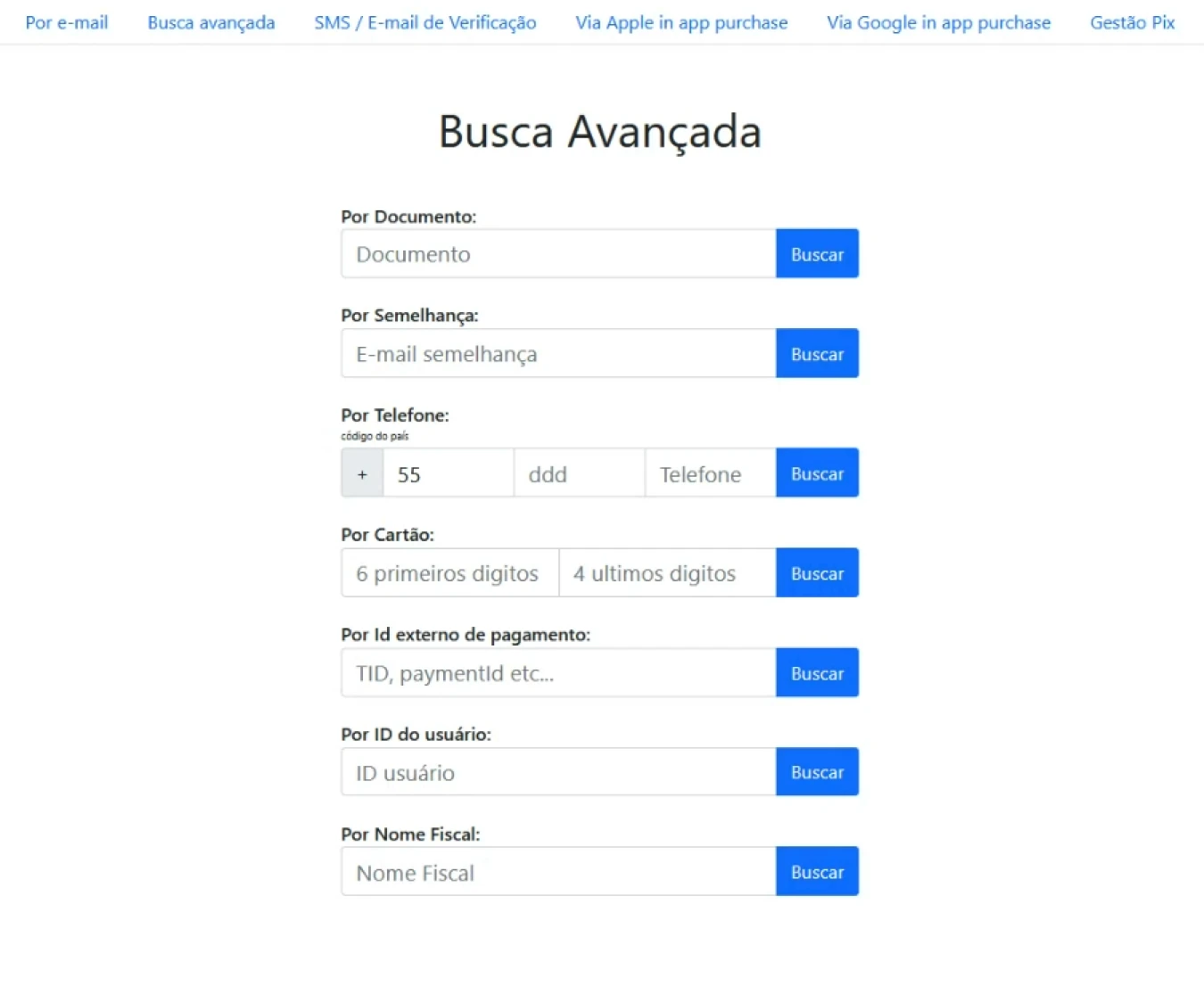
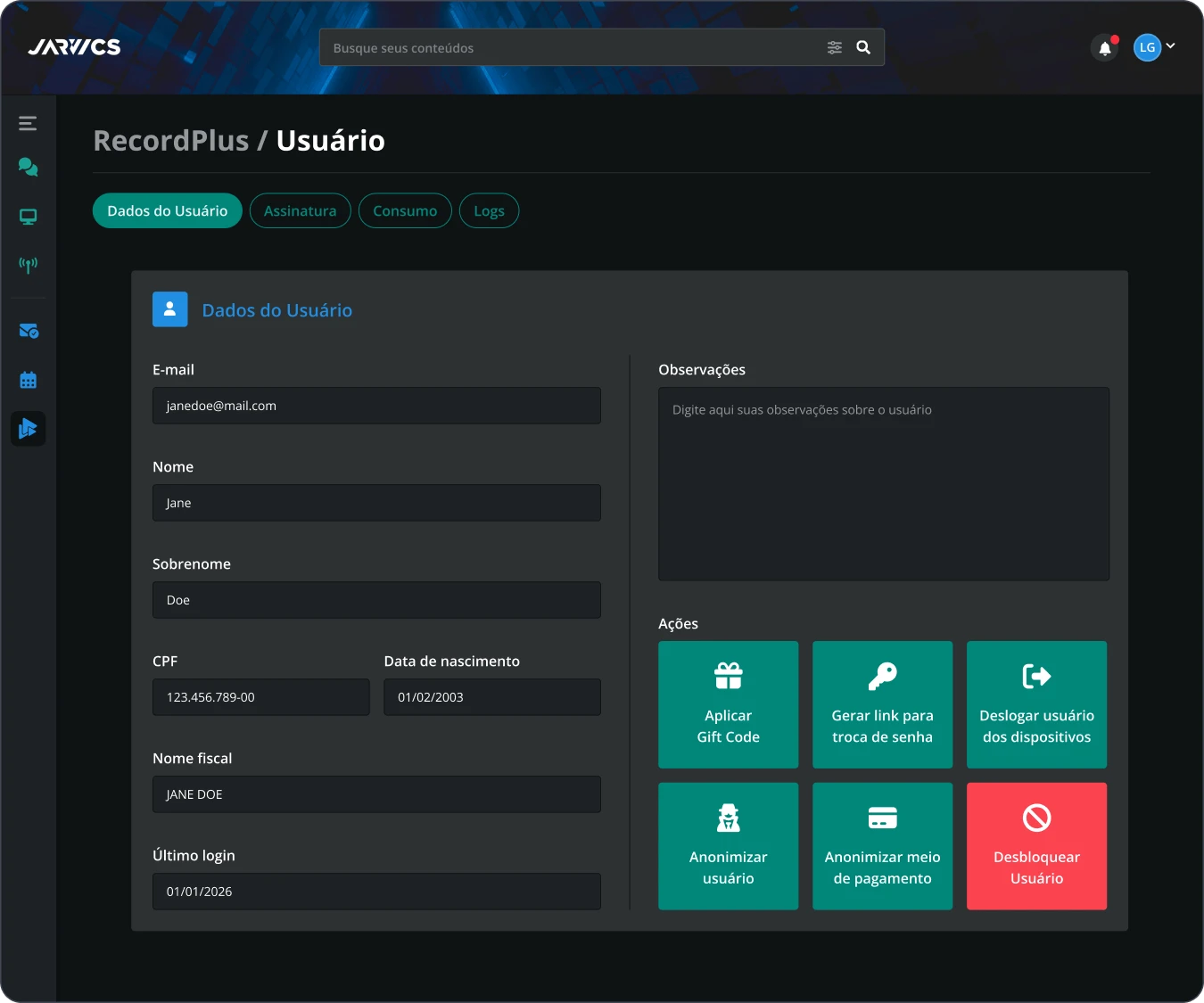
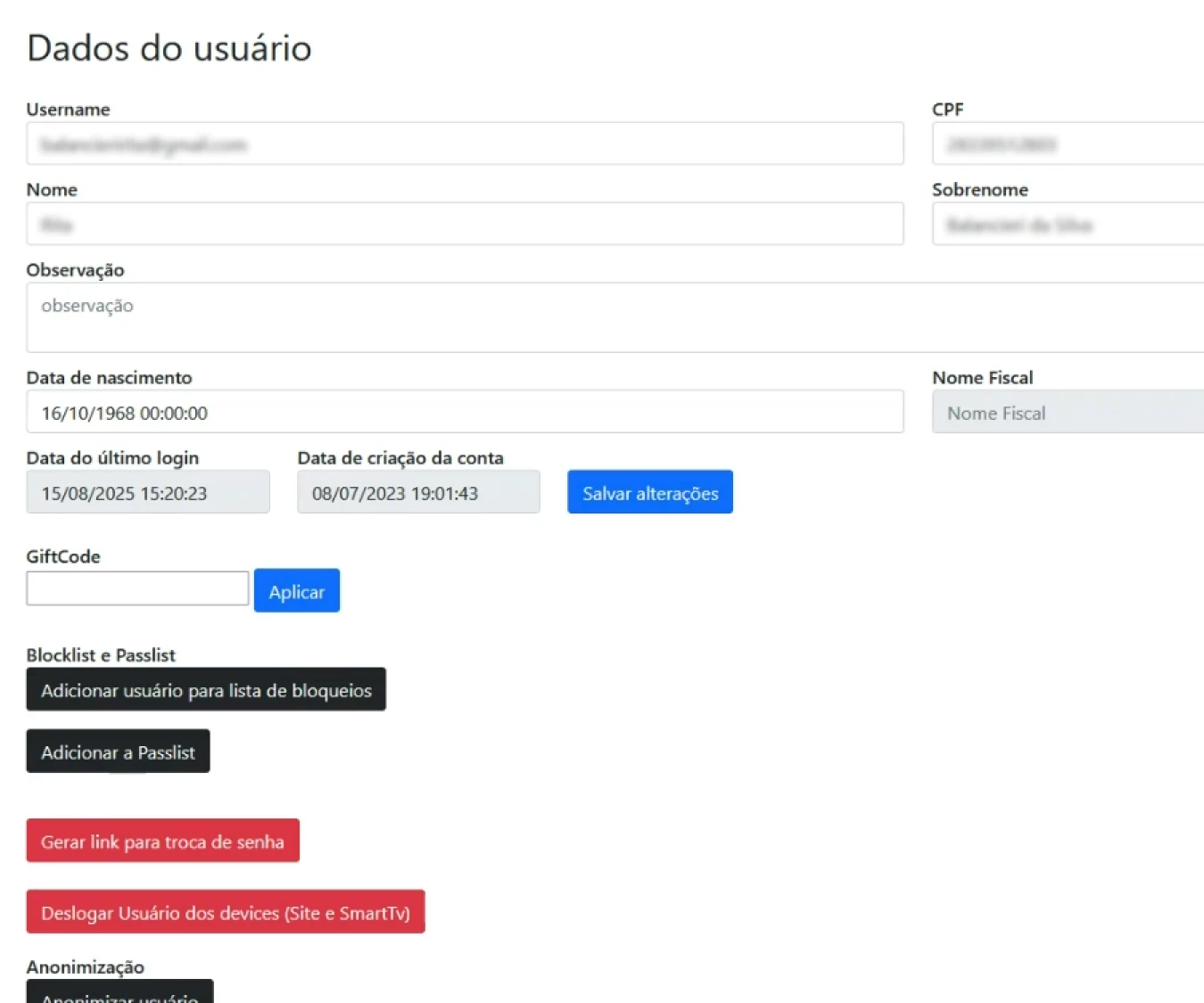
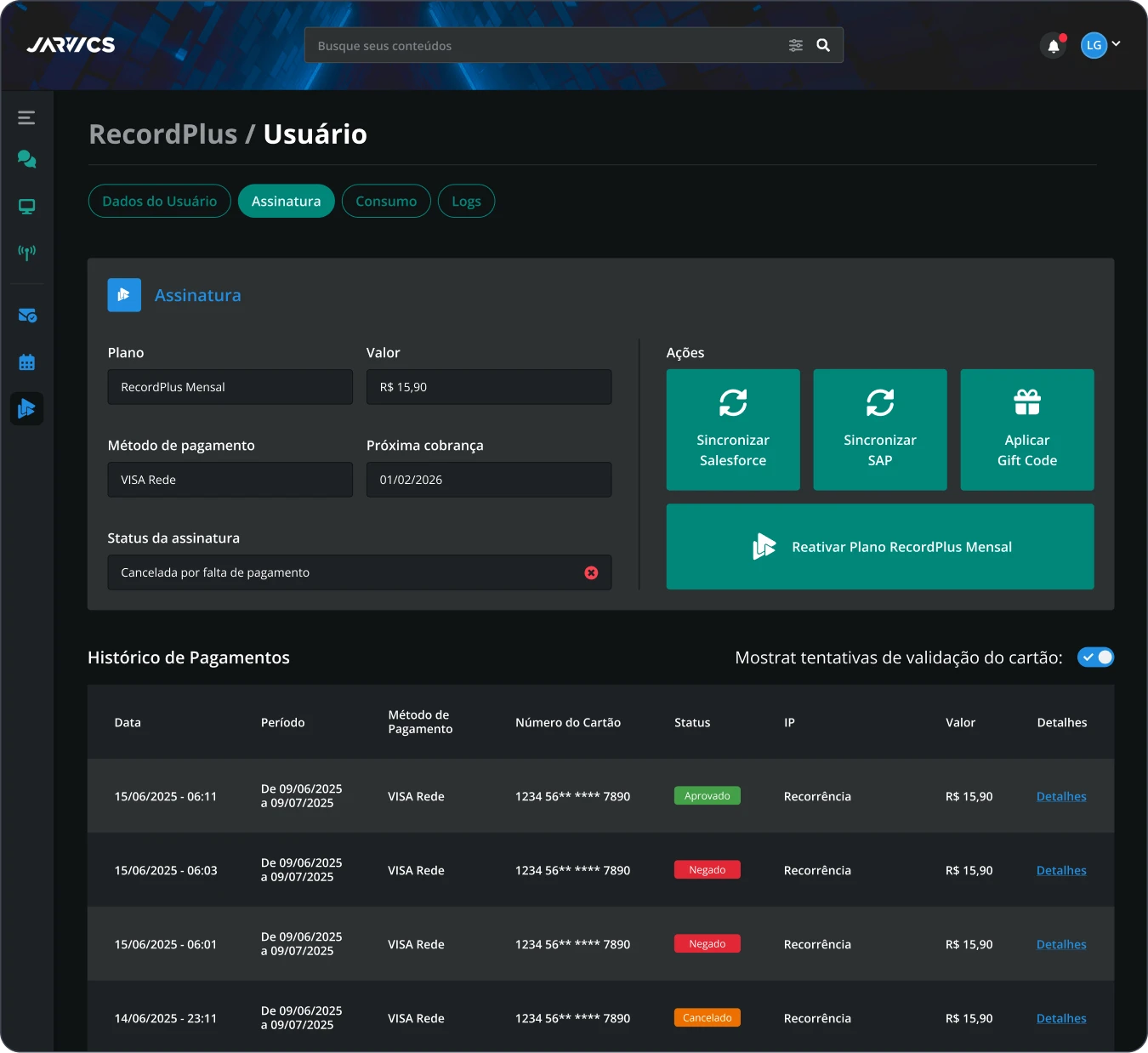
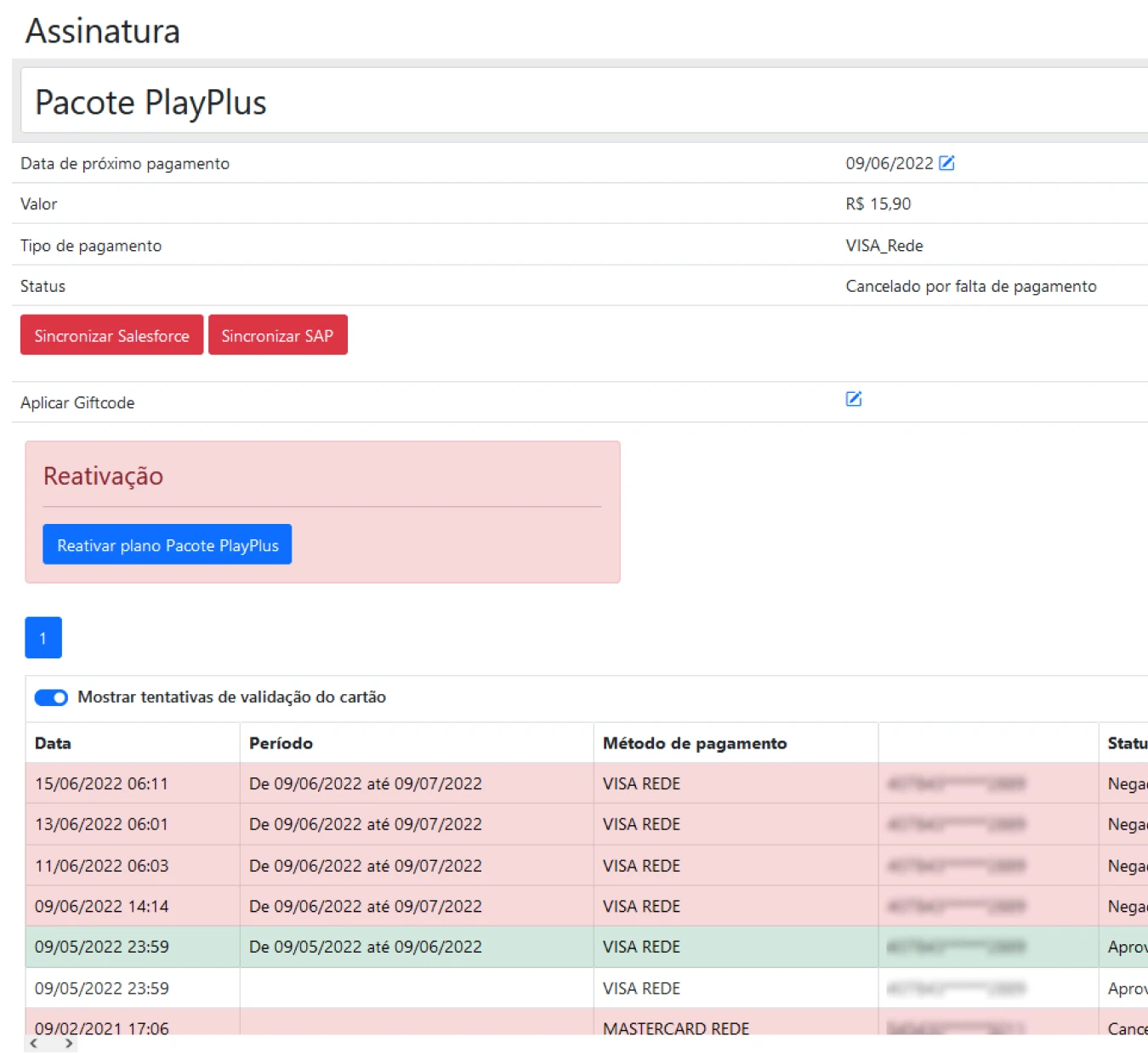
One of the most critical operational layers affected by this redesign was the internal tool used by Customer Support teams to manage RecordPlus Subscribers:
04
RECORDPLUS SUBSCRIBER MANAGEMENT
05
OUTCOME
The redesign of Jarvics and its internal tools resulted in measurable improvements across user experience and operational efficiency across multiple teams, including Customer Support, who rely heavily on one of its core operational systems.
A key factor across the platform was visual comfort, especially in the transition from legacy third-party tools that were predominantly light-themed. This became particularly relevant in environments involving long working sessions and night shifts, where reducing visual fatigue directly impacts focus and productivity.
Visual Comfort
Smoother experience during extended work sessions and low-light environments
Work Efficiency
Improved usability for teams
operating in prolonged or
high-intensity workflows
The redesign of the RecordPlus Subscriber Management system further strengthened daily operations by reducing interface friction and improving clarity in high-frequency tasks. It also introduced structural consistency across the platform, minimizing errors and improving decision-making speed. In addition, bringing the system in-house removed dependency on a third-party provider, increasing control and reducing operational costs.
Support Quality
~20–30% faster workflows
Reduced friction in navigation
and task execution through
improved structure
Efficiency
~10%-20% less operational errors
Clearer hierarchy and action grouping improved decision-making during user handling
Business Impact
Strategic operational independence
Elimination of third-party dependency reduced external reliance and enabled full ownership, scalability, and long-term cost efficiency across the platform
06
DESIGN SYSTEM
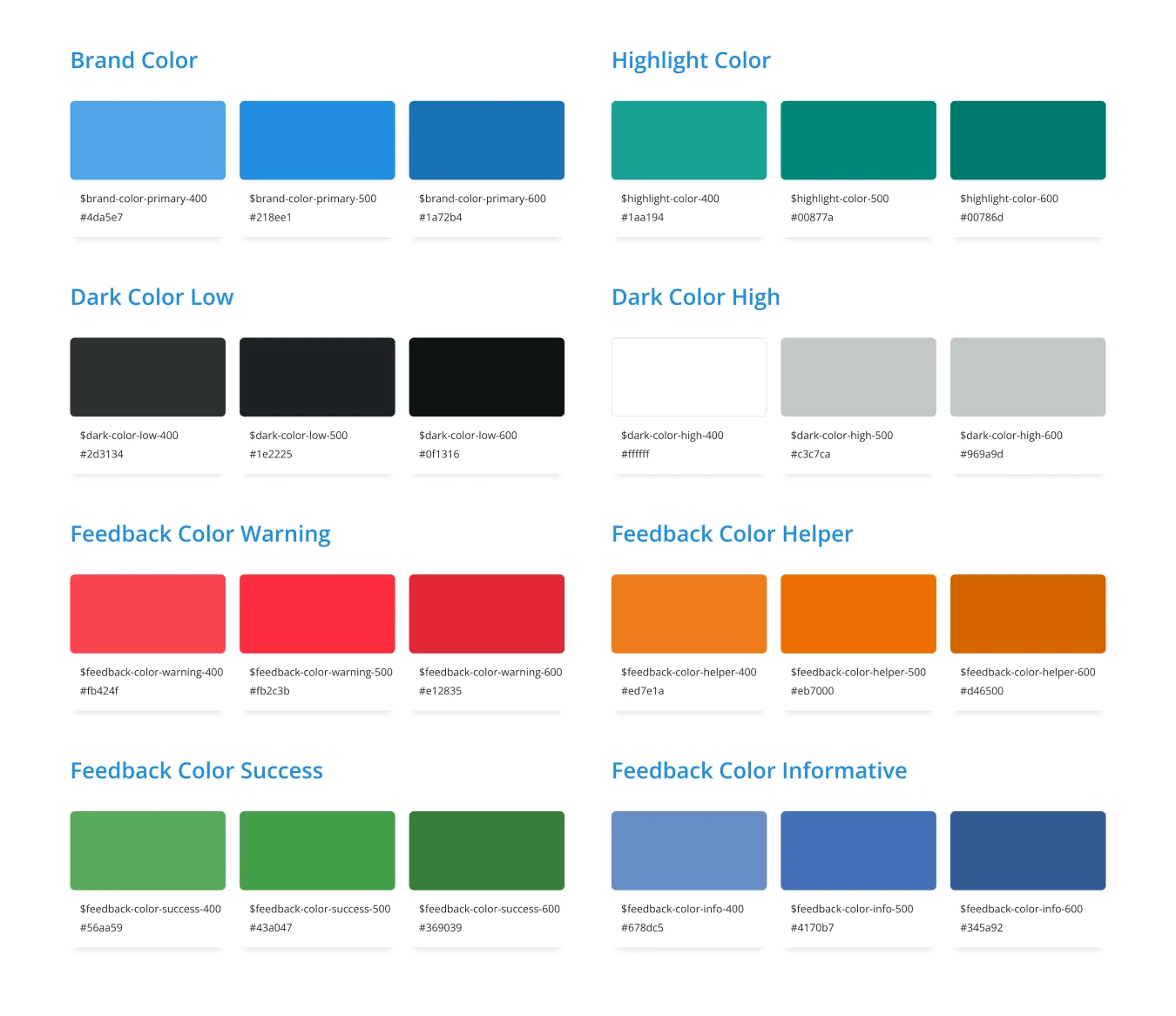
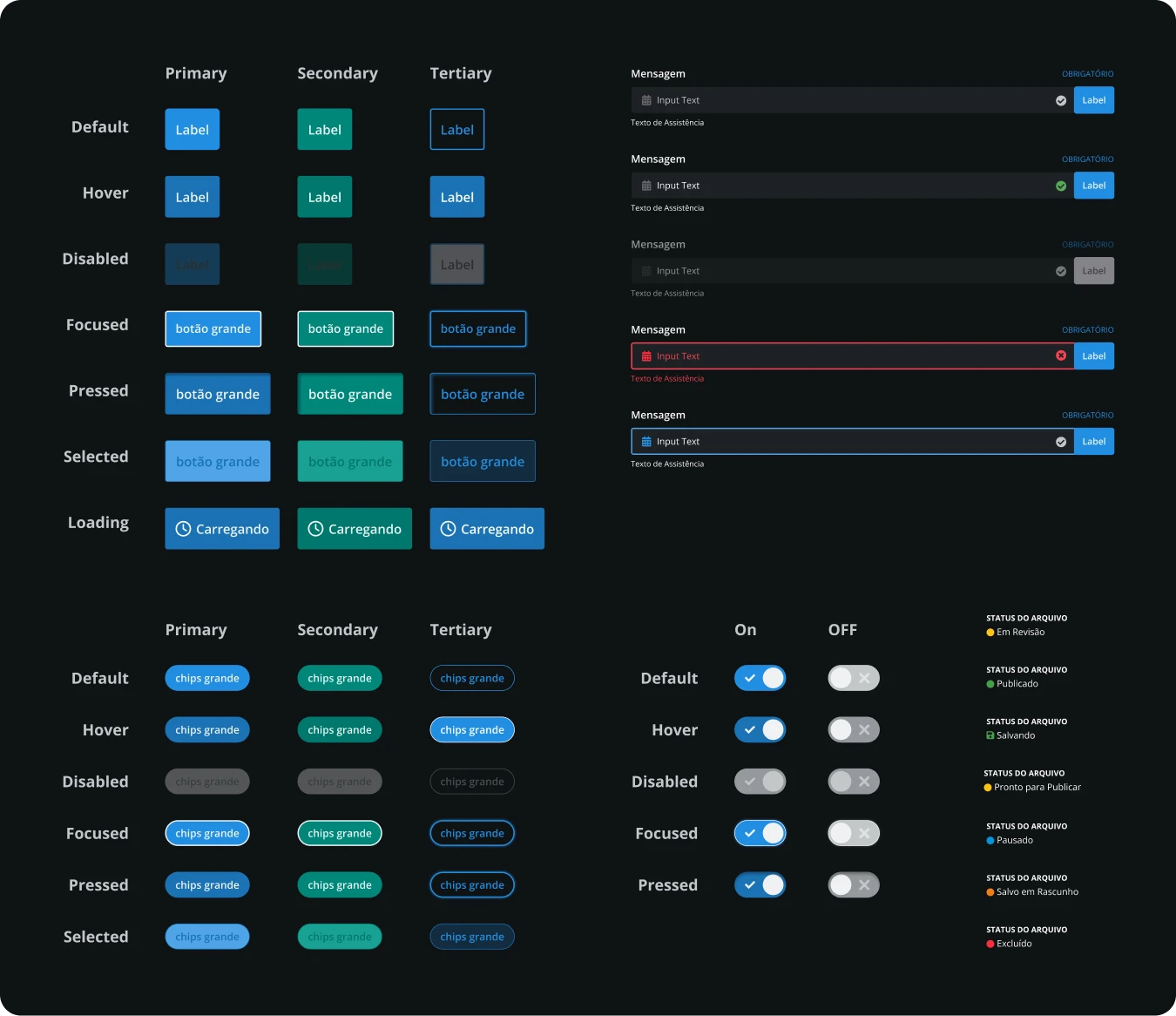
A dedicated design system was created to support Jarvics, addressing needs that differ from the R7 platform. The dark interface required specific studies on color, contrast, and accessibility to ensure readability and usability.
While some elements were aligned with the R7 Design System, many components were built from scratch, including inputs, tables, feedback states, and workflows tailored to content management tasks.
The following screens represent a small portion of the full design system, which includes a much broader set of components and variations.
07
INTERFACE
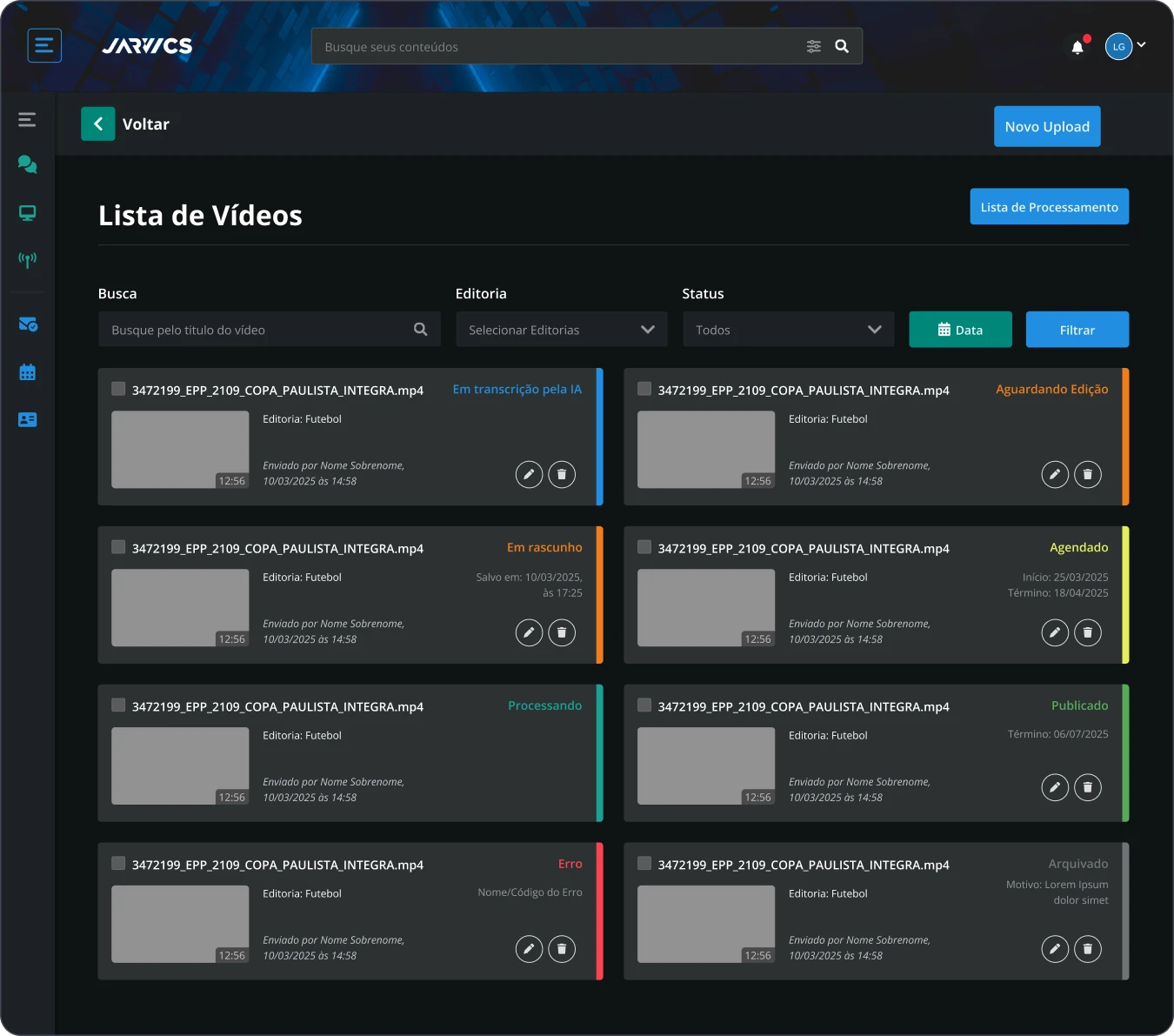
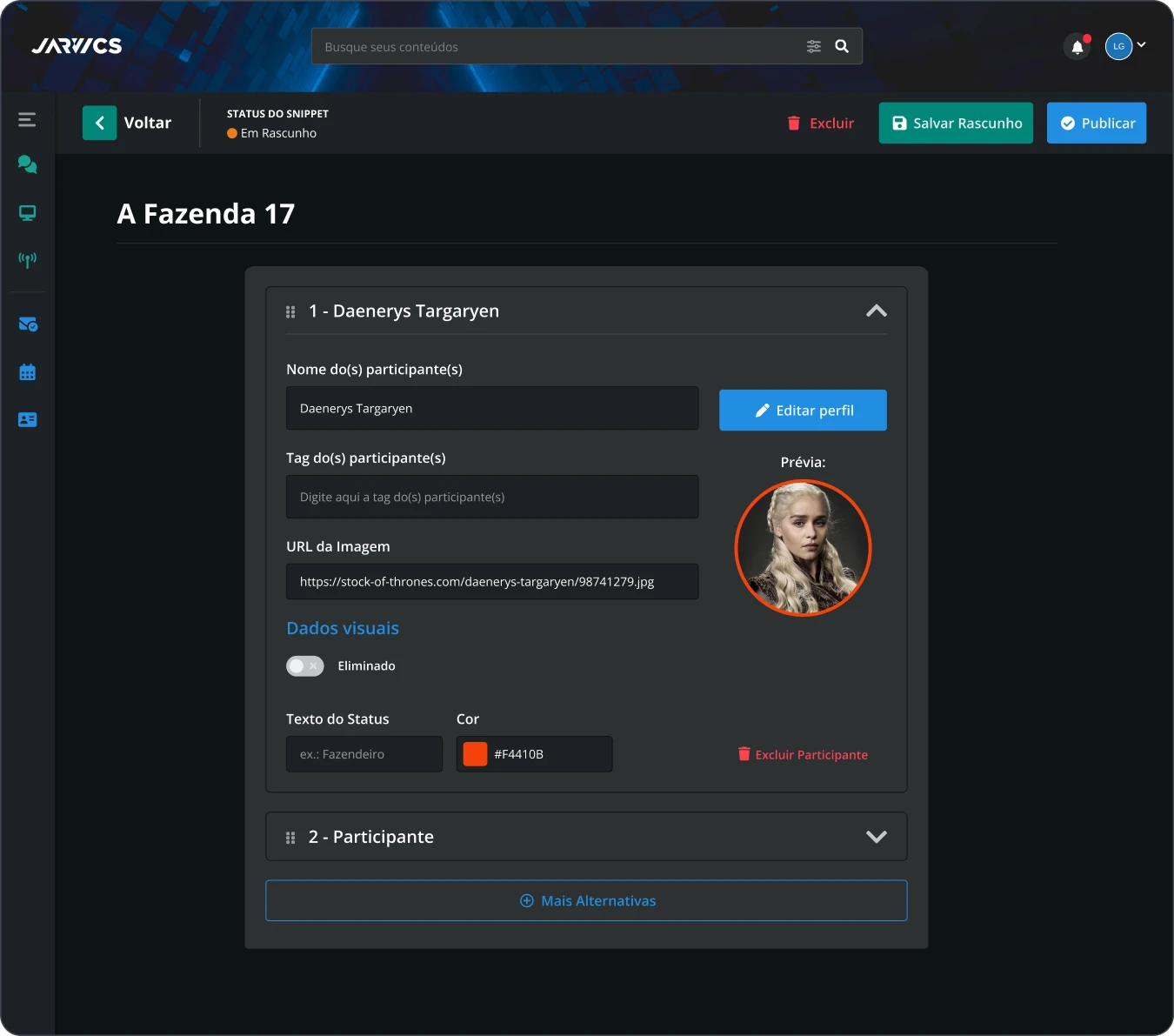
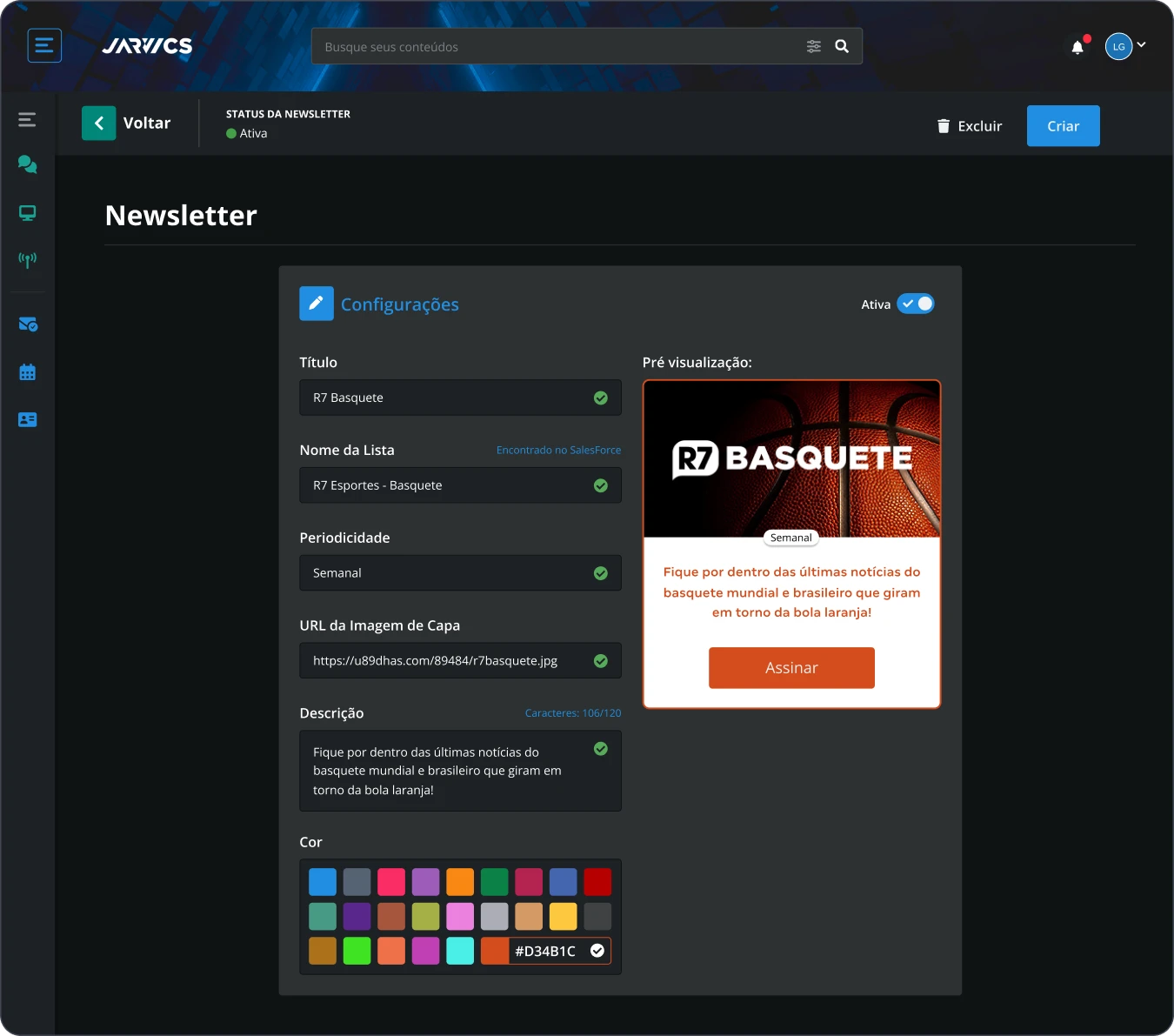
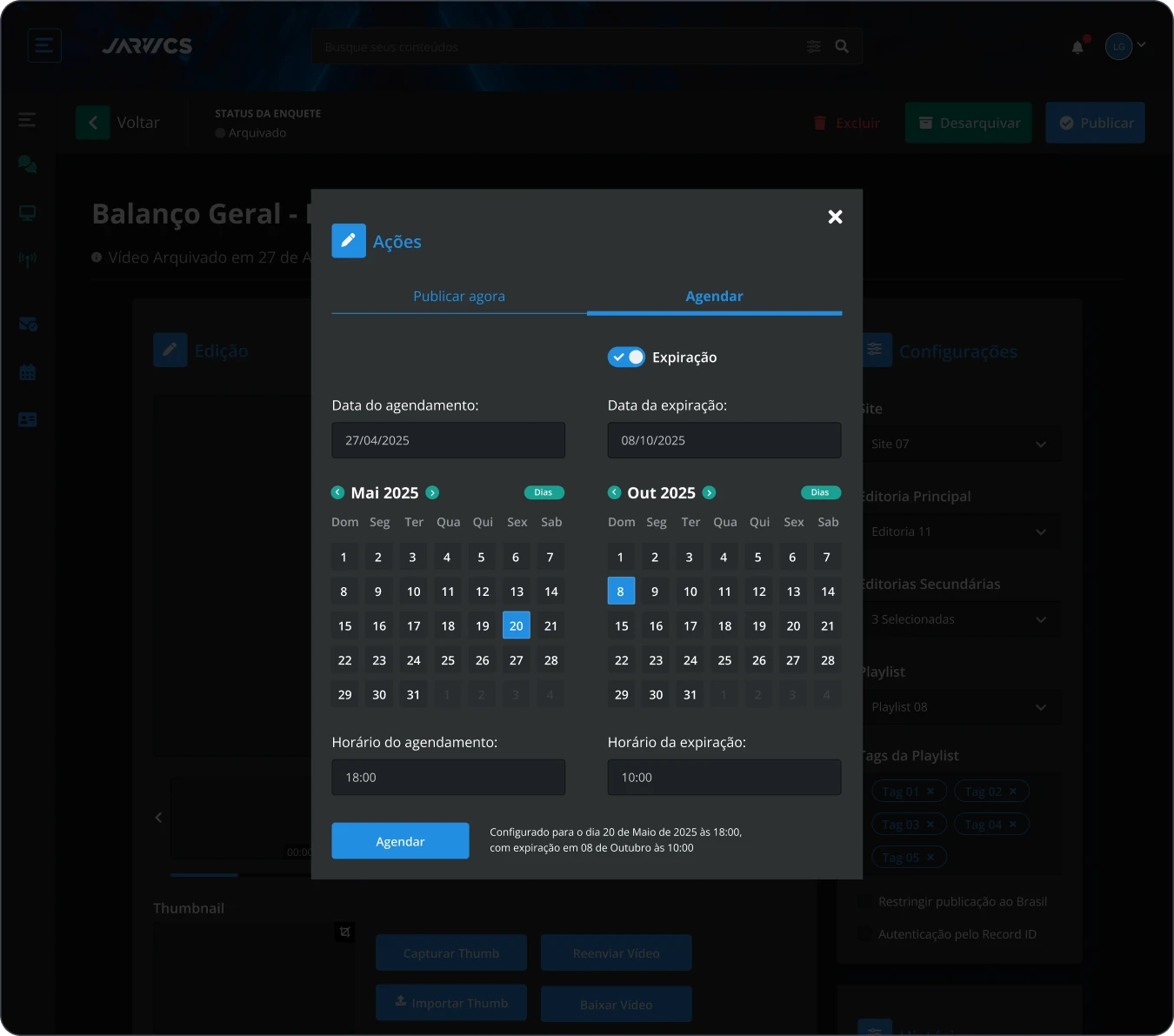
Additional screens showcasing different tools and workflows within the CMS.
08
CONCLUSION
This was one of the most complex projects, involving the design of a product from the ground up.
The process required continuous collaboration with engineering teams and close contact with end users, combining research, prototyping, and testing to guide decisions.
Each feature introduced involved solving new problems, from adapting existing workflows to supporting new forms of content and publishing needs.
This project provided a complete product design experience, covering discovery, iteration, and delivery in a highly dynamic environment.